Introduction:In the realm of interior design, the dining table serves as the heart of the home—a place where families gather, conversations flow, and memories are made. With the evolution of materials and technology, the traditional wooden dining table has encountered a formidable contender: sintered stone. This innovative material has been revolutionizing the furniture industry, offering a blend of beauty, durability, and sustainability that surpasses many traditional options. Let's delve into the world of
sintered stone dining tables and explore why they are becoming the centerpiece of choice for modern homes.
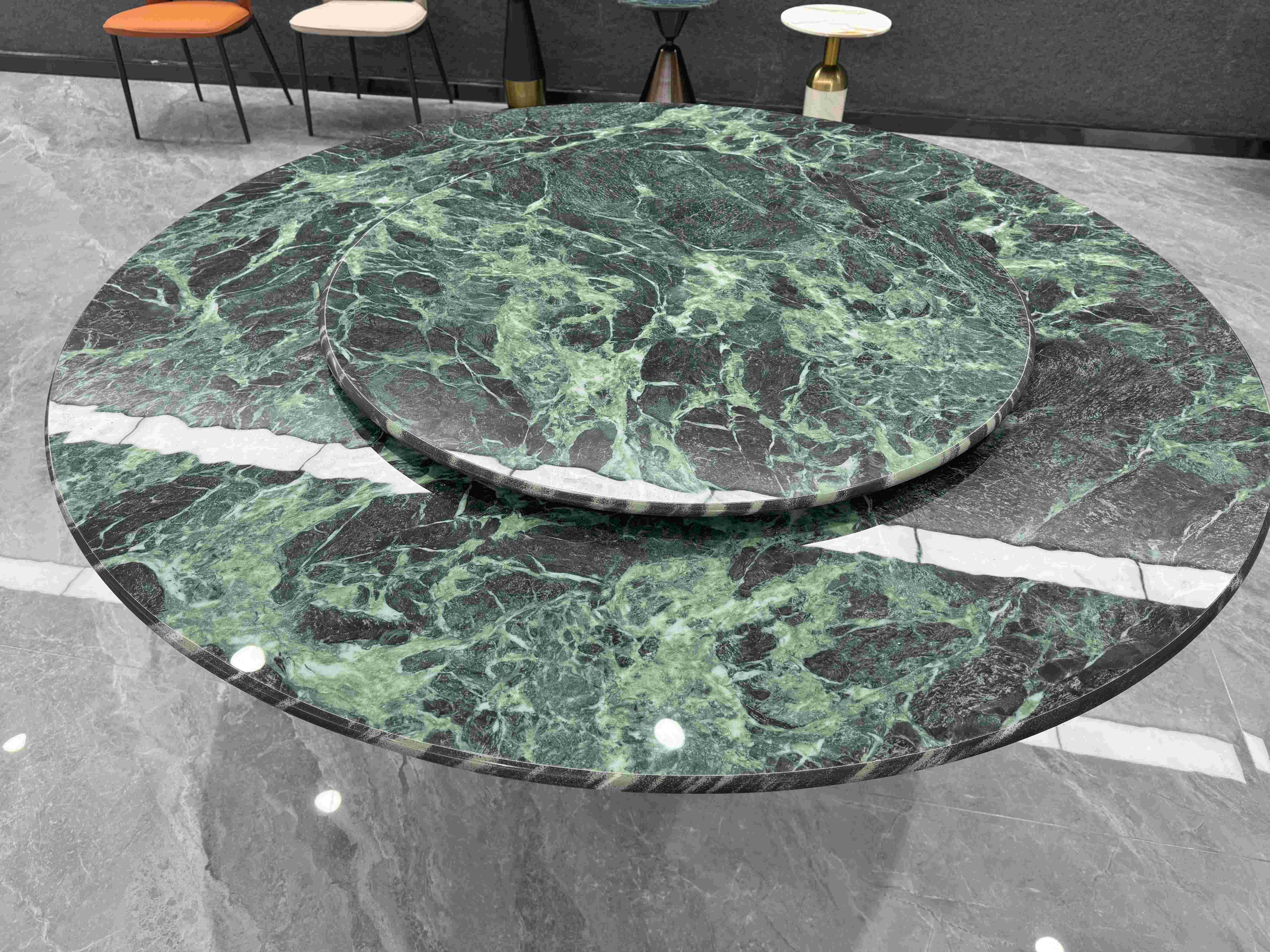 The Marvel of Sintered Stone:
Sintered stone is a composite material made from natural minerals, such as quartz and granite, combined with pigments and resins. Through a process called sintering, these elements are subjected to high heat and pressure, resulting in a dense, non-porous surface that exhibits remarkable strength and durability. The manufacturing process mimics the geological forces that create natural stone over millennia, but in a fraction of the time.
Beauty Meets Versatility:One of the most compelling aspects of sintered stone dining tables is their aesthetic appeal. Available in a wide array of colors, patterns, and textures, sintered stone can mimic the look of luxurious marble, sleek concrete, or even exotic metals. Whether you prefer a classic, timeless design or a more contemporary aesthetic, there's a sintered stone option to suit every taste and style.
Furthermore, sintered stone is highly versatile in terms of shape and size. Unlike natural stone, which may be limited by the size of available slabs, sintered stone can be manufactured in large, seamless panels, allowing for custom designs and configurations. This flexibility opens up a world of possibilities for creating unique dining table designs that perfectly complement your space.
Durability That Endures:Beyond its visual appeal, sintered stone boasts exceptional durability that makes it ideal for use in high-traffic areas like the dining room. Unlike traditional stone surfaces, sintered stone is resistant to scratches, stains, and heat, making it virtually impervious to the rigors of daily life. Spills wipe away easily, and hot plates or dishes won't leave unsightly marks—a welcome relief for those who love to entertain or have young children.
Moreover, sintered stone is UV resistant, meaning it won't fade or discolor over time, even when exposed to direct sunlight. This makes it suitable for both indoor and outdoor dining spaces, allowing you to seamlessly extend your living area into the great outdoors.
Sustainability and Eco-Friendliness:In an era where sustainability is paramount, sintered stone stands out as an environmentally friendly option for furniture manufacturing. Unlike natural stone, which requires quarrying and extraction processes that can have a significant environmental impact, sintered stone is manufactured using recycled materials and sustainable practices. Additionally, its longevity and resistance to wear and tear mean that sintered stone dining tables have a much longer lifespan than their wooden counterparts, reducing the need for frequent replacement and minimizing waste.
Conclusion:As the demand for innovative and sustainable design solutions continues to grow,
sintered stone dining tables have emerged as a compelling choice for homeowners seeking beauty, durability, and eco-friendliness. With their unmatched aesthetic versatility, exceptional durability, and minimal environmental footprint, these modern marvels are poised to become the dining tables of choice for the discerning homeowner. Whether you're hosting a formal dinner party or enjoying a casual family meal, a sintered stone dining table is sure to elevate your dining experience for years to come.